

• Home
  • Wellness
  • Life&Balance
  • Healthy Planet
  • Life Tips
  • Mind&Body
logo
  • Home
  • Wellness
  • Life&Balance
  • Healthy Planet
  • Life Tips
  • Mind&Body
  • Life Tips

Rent or Buy? Life Tips Before Making a Housing Decision

2025-12-14 By Harper Wells

When discussing whether renting or buying is more cost-effective, a comprehensive analysis is needed, considering factors such as economic costs, lifestyle stability, policy environment, personal financial situation, and future plans. For many, buying a house signifies a stable living environment and a strong sense of belonging. In the long run, owning a home allows for personalized renovations and decorations without the worry of sudden rent increases or lease cancellations. Renting, on the other hand, offers greater flexibility. If a job change or personal preference dictates a change of residence, moving is easy once the lease expires. Economically, the initial investment in renting is relatively lower.
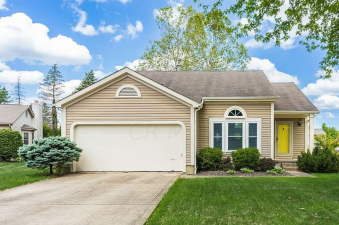

Three Advantages of Buying a House

Buying a house is essentially forced savings; monthly mortgage payments are equivalent to accumulating assets. As the loan amount decreases, net assets gradually increase. More importantly, mortgage interest rates are significantly lower than consumer loan rates, providing low-cost, large-scale financing for ordinary people. Furthermore, a stable residence provides a sense of security, and decoration can be designed to personal preferences without the hassle of frequent moves.

Practical Benefits of Renting

The biggest advantage of renting is lower financial pressure. Down payment funds can be used for investment or improving the quality of life. When changing jobs, renting offers high flexibility and eliminates the risk of lease termination. Furthermore, landlords handle maintenance and other miscellaneous tasks, saving time and effort.

Multi-dimensional considerations: Making a rational decision

From an economic perspective, if your income is stable and substantial, with sufficient savings for a down payment and the ability to afford a long-term mortgage, buying a house may be a good option. However, if your income is unstable or your savings are insufficient, renting can avoid the financial risks associated with mortgage pressure.
From a housing needs perspective, if you desire long-term settlement and have highly customized living requirements, buying a house better meets your expectations. Conversely, if you frequently need to change residences due to work or other reasons, renting is more suitable.
From an investment perspective, the past real estate boom led many to view homeownership as an investment. However, the current real estate market trend has become more complex and uncertain. Some experts suggest that in cities with low population inflows and high inventory, the investment value of real estate may have significantly diminished.

Conclusion

Renting and buying each have their advantages and disadvantages. The best choice largely depends on an individual's financial situation, life stage, life plans, and the local real estate market. For those seeking short-term residence, limited funds, or a flexible lifestyle, renting may be a more suitable option. However, for those planning long-term settlement, with substantial financial resources, and prioritizing family stability and asset accumulation, buying a home may be more attractive and offer greater long-term value. Before making a decision, it is advisable to fully assess one's own circumstances, weigh the pros and cons, and make the choice that best aligns with one's interests and life goals.

Recent Posts

Easy Gardening Tips for People With Busy Schedules

Practical Dog Care Tips for First-Time Owners

Simple Baking Tips for Beginners at Home

Furniture Buying Tips That Matter More Than Style

How to Care for a Sick Family Member Without Burning Out

Cat Care Tips That Improve Daily Livin

  • About Us
  • Privacy Policy
  • Terms of Use

©Copyright 2025 Wisdom Live. All Rights Reserved.